
 AI Search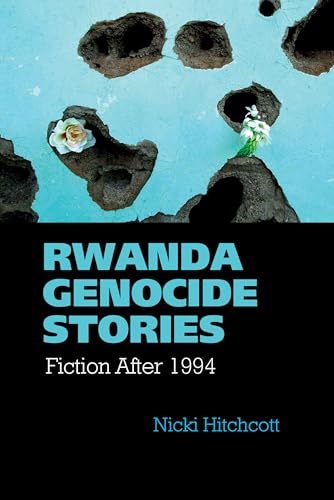
Rwanda genocide stories : fiction after 1994 / Nicki Hitchcott.
Material type: TextSeries: Description: 229 pISBN:
 - 9781781381946
- 1781381941
- PN3503 H674 R 2015
 English Books
| Cover image | Item type | Current library | Home library | Collection | Shelving location | Call number | Materials specified | Vol info | URL | Copy number | Status | Notes | Date due | Barcode | Item holds | Item hold queue priority | Course reserves | |
|---|---|---|---|---|---|---|---|---|---|---|---|---|---|---|---|---|---|---|
|
English Books
|
MATRIX Library General Eng/FL.3 | General Books | PN3503 H674 R 2015 (Browse shelf(Opens below)) | C.1 | Available | 1000369626 |
Browsing MATRIX Library shelves,Shelving location: General Eng/FL.3,Collection: General Books Close shelf browser (Hides shelf browser)

|

|

|

|

|

|

|
||
| PN3435 H816 2000 The horror reader / | PN3441 W515 W 1991 Writing history as a prophet : | postmodernist innovations of the historical novel / | PN3495 N882 F 2012 Fiction and the philosophy of happiness : | ethical inquiries in the Age of Enlightenment / | PN3503 H674 R 2015 Rwanda genocide stories : | fiction after 1994 / | PN4129.15 H299 S6 2009 Speaking of speech : Basic presentation skills for beginners / | PN4193.P6 K76 F 2009 Five chapters on rhetoric : | character, action, things, nothing, and art / | PN4729.3 R362 J6 2024 The Journalist's Toolbox : | A Guide to Digital Reporting and AI / |
HKBU Library
"During what has become officially known as the genocide against the Tutsi, as many as one million Rwandan people were brutally massacred between April and July 1994. This book presents a critical study of fictional responses by authors inside and outside Rwanda to the 1994 genocide. Focusing on a large and original corpus of creative writing by African authors, including writers from Rwanda, Rwanda Genocide Stories: Fiction After 1994 examines the positionality of authors and their texts in relation to the genocide. How do issues of 'ethnicity', nationality, geographical location and family history affect the ways in which creative writers respond to what happened in 1994? And how do such factors lead to authors and their texts being positioned by others? The book is organized around the principal subject positions created by the genocide, categories that have particular connotations and have become fraught with political tension and ambiguity in the context of post-genocide Rwanda. Through analysis of the figures of tourists, witnesses, survivors, victims and perpetrators, the book identifies the ways in which readers of genocide stories are compelled to reevaluate their knowledge of Rwanda and take an active role in commemorative processes: as self-critical tourists, ethical witnesses, judges or culpable bystanders, we are encouraged to acknowledge and assume our own responsibility for what happened in 1994." --
There are no comments on this title.