
 AI Search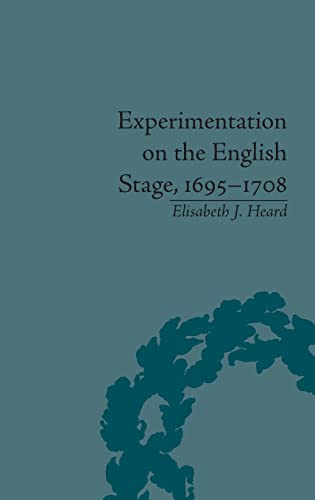
Experimentation on the English stage, 1695-1708 : the career of George Farquhar / Elizabeth J. Heard.
Material type: TextPublication details: London : Pickering & Chatto, 2008.Description: 170 pISBN:
 - 9781851969715
- 1851969713
- Farquhar, George, 1677?-1707 -- Technique
- Farquhar, George, 1677?-1707 -- Stories, plots, etc
- Farquhar, George, 1677?-1707 -- Criticism and interpretation
- English drama (Comedy) -- History and criticism
- English drama -- 18th century -- History and criticism
- English drama -- 17th century -- History and criticism
- Sentimental comedies
- PR3438 H435 E 2008
 English Books
| Cover image | Item type | Current library | Home library | Collection | Shelving location | Call number | Materials specified | Vol info | URL | Copy number | Status | Notes | Date due | Barcode | Item holds | Item hold queue priority | Course reserves | |
|---|---|---|---|---|---|---|---|---|---|---|---|---|---|---|---|---|---|---|
|
English Books
|
MATRIX Library General Eng/FL.3 | General Books | PR3438 H435 E 2008 (Browse shelf(Opens below)) | C.1 | Available | 1000373220 |
HKBU Library
At the beginning of the eighteenth century, British theatre saw a shift from what critics now call 'Restoration' to 'sentimental' comedy. Focusing on the career of the Irish dramatist George Farquhar (1678-1707), Heard argues that experimentation was the basis for this change. Farquhar's first play, "Love and a Bottle" (1698) relied on outdated plot devices and character types. By contrast, his final two plays, "The Recruiting Officer" (1706) and "The Beaux Stratagem" (1707) used creative new elements to connect with English audiences. Over ten years, Farquhar and his contemporaries experimented with characters, plot lines, and dialogue in an attempt to woo their audiences. In doing so they initiated a new era in British comedy.
There are no comments on this title.